


New UN Guidelines and Practical Toolkit on Intersectional Discrimination Against Women and Girls with Disabilities
The CBR Africa Network (CAN) is pleased to share an important new resource aimed at advancing equality and protecting the rights of women and girls with disabilities.
The UN Committee on the Rights of Persons with Disabilities has adopted new Guidelines on identifying and addressing intersectional discrimination against girls, adolescents, women and older women with disabilities.
The Guidelines recognise that disability can intersect with factors such as gender, age, race, Indigenous identity, migration status and poverty, creating distinct and multiple experiences of discrimination.
From adoption to implementation
The adoption of the Guidelines represents an important step towards strengthening equality and addressing discrimination. However, their impact will ultimately depend on effective implementation.
Women and girls with disabilities, in all their diversity, must have meaningful opportunities to participate in shaping the laws, policies and programmes that affect their lives.
Implementation should include measures to:
Protect autonomy and freedom from violence;
Strengthen accountability across different sectors;
Ensure meaningful participation of women and girls with disabilities in decision-making;
Provide adequate resources to organisations led by women with disabilities;
Address multiple and intersecting forms of discrimination; and Monitor and measure whether policies and programmes are creating meaningful change in people’s lives.
Practical tools for Organisations of Persons with Disabilities
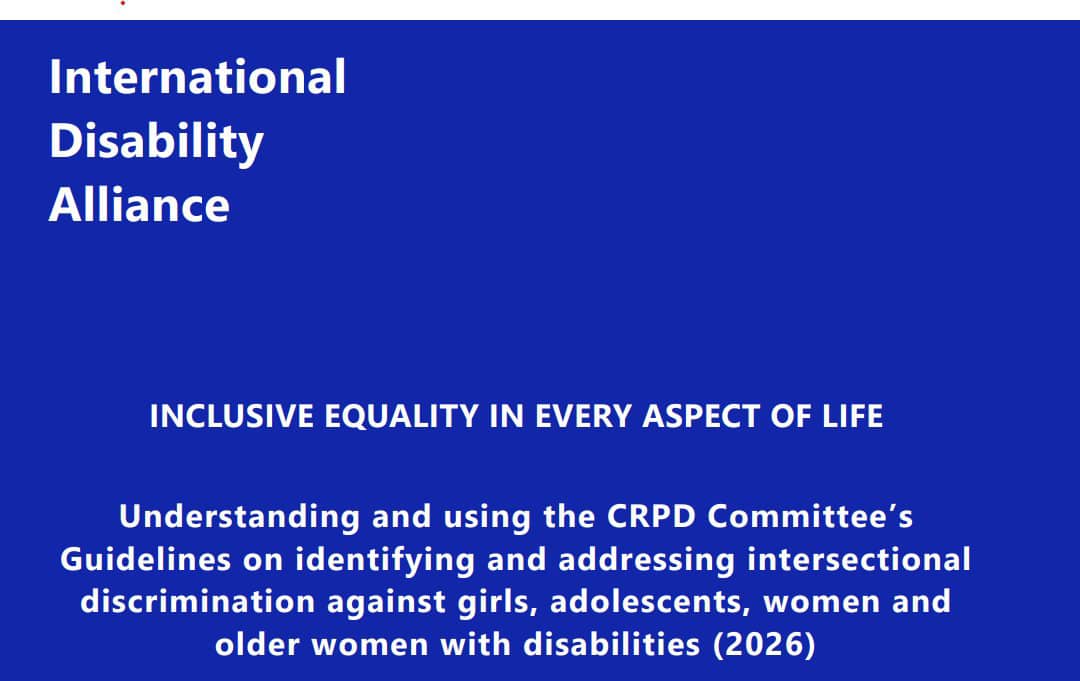
To support organisations in putting the Guidelines into practice, the International Disability Alliance (IDA) has published “Inclusive equality in every aspect of life”—an analysis of the Guidelines accompanied by a practical toolkit containing 10 tools for Organisations of Persons with Disabilities (OPDs).
The toolkit can support OPDs and other stakeholders to strengthen advocacy, participation, accountability and inclusive approaches to equality.
CAN encourages its members, OPDs, partners and disability rights advocates across Africa to read, use and share this important resource.
Access the toolkit:
The adoption of the Guidelines is an important milestone. Their true impact will be measured by the choices women and girls with disabilities can make, the opportunities they can access, and the power they have to shape their own lives.
Together, let us turn commitments into meaningful and lasting action for inclusive equality.


